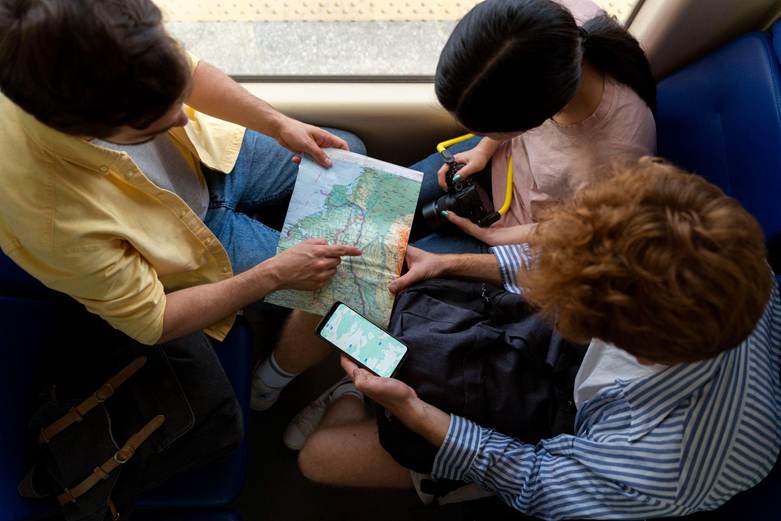
Travel has evolved from quick sightseeing to something far more intentional, a shift often highlighted by creators like Andrew Stakoun, who showcase authentic, on-the-ground experiences around the world. Modern explorers now seek deeper cultural understanding, stronger community connections, and moments that go beyond guidebooks and tourist-heavy attractions. Remote work, digital storytelling, and a desire for meaningful engagement have accelerated this movement, reshaping how people experience the places they visit.
The Decline of Traditional Tourism
For decades, travel mostly meant visiting landmarks, taking photos, and following established itineraries. While these experiences still have value, they no longer define modern travel. Many travelers feel that conventional tourism creates distance, offering curated glimpses of a destination rather than a genuine connection.
As cultures become more globalized and digital platforms make local life visible in new ways, travelers increasingly want to experience cities and regions ‘from the inside.’ Instead of hopping from one attraction to another, people seek the authenticity of neighborhoods, community experiences, and day-to-day routines.
Cultural Curiosity Drives Today’s Explorers
Modern travelers want to understand what makes a destination unique. This curiosity drives a desire to observe traditions, sample local cuisine, and engage in cultural activities that uncover the essence of a place.
This shift includes:
- Visiting local markets instead of only major shopping districts
- Attending community events or neighborhood festivals
- Taking part in cultural workshops
- Supporting small restaurants and family-owned businesses
- Exploring residential neighborhoods normally overlooked by tourists
This more profound engagement helps travelers appreciate the nuances of a region’s history, identity, and values, creating lasting emotional connections.
The Influence of Vlog Culture and Real-Time Storytelling
The rise of travel vloggers has played a major role in redefining expectations. Instead of polished marketing content, viewers see real daily experiences from transportation challenges to unexpected discoveries. This transparency helps travelers prepare better, choose destinations that match their interests, and feel confident exploring lesser-known areas.
Vlogs also inspire curiosity. They highlight local food scenes, conversations with residents, and hidden corners of cities that no traditional tour would cover. As a result, modern travelers build itineraries based on personal stories rather than promotional campaigns.
Remote Work Creates Long-Term Local Engagement
The increasing freedom to work from anywhere has transformed travel from short visits into multi-week or even multi-month experiences. Remote workers and digital nomads often settle into a destination long enough to:
- Build routines
- Form relationships with locals
- Learn parts of the language
- Explore at a slower, more meaningful pace.
- Experience holidays, customs, and community life firsthand
This long-term immersion offers a clearer understanding of local culture and allows travelers to feel like temporary residents instead of visitors. We expect this trend to grow as more companies adopt hybrid and remote models.
Sustainability Encourages Thoughtful Exploration
With rising concern over environmental impact and overcrowded destinations, travelers are becoming more conscious of the choices they make. Immersive local travel naturally supports sustainability by dispersing tourism beyond hotspots and encouraging smaller, community-driven experiences.
Many travelers now prioritize:
- Eco-friendly accommodations
- Local, seasonal dining
- Neighborhood-based tours
- Low-impact transportation, such as biking or walking
- Avoiding overcrowded destinations during peak seasons
This shift helps preserve cultural and environmental resources while supporting the long-term well-being of communities.
Technology Makes Immersive Travel Easier
Digital tools have significantly reduced the uncertainty of exploring unfamiliar places. Navigation apps, translation tools, and mobile recommendations make it easier to move confidently through local areas that may otherwise feel intimidating.
Technology also enhances immersion through:
- Digital community groups sharing local tips
- Neighborhood-level experience apps
- Real-time public transit tracking
- Local food discovery tools
- AR-based historical guides
These tools encourage travelers to step off traditional tourist routes and explore destinations like locals.
Slow Travel: The Art of Moving With Intention
Slow travel has grown into a major global trend. Instead of rushing between five cities in a week, many travelers choose to stay longer and move at a comfortable pace. This approach reduces stress and allows for:
- Deeper cultural immersion
- More meaningful conversations
- Time to explore local routines
- Flexibility to discover unexpected experiences
Slow travel is not only more relaxing, but it also creates more memorable and personal journeys.
Community-Based Tourism Gains Momentum
Travelers are increasingly interested in experiences that directly benefit local communities. The list includes:
- Staying in locally owned accommodations
- Participating in community tours
- Supporting artisans through handcrafted purchases
- Learning from residents who share their traditions and history
This approach strengthens local economies and promotes cultural preservation, ensuring that tourism adds value rather than strain.
The Future of Immersive Travel
The global travel landscape is moving toward depth, connection, and personalization. Travelers want experiences shaped by culture, authenticity, and the rhythms of everyday life. As interest in remote work, vlog culture, and sustainable exploration continues to rise, immersive travel will become the primary way people connect with the world.
From local food encounters to community-led experiences, the future of exploration is about engaging with places in ways that feel real, grounded, and emotionally meaningful.